Seasonal Hair and Scalp Care: Preparing for Weather Changes in Artesia
Understanding Seasonal Hair and Scalp Needs
As the seasons change in Artesia, so do the needs of your hair and scalp. Each season brings unique challenges that require specific care and attention. Transitioning from the dry heat of summer to the cooler, more humid fall can leave your hair feeling confused. Understanding these changes will help you maintain healthy and vibrant hair all year round.
During the warmer months, your hair may become frizzy and dry due to the intense sun and heat. Conversely, the cooler months can bring about increased moisture and potential scalp issues. Addressing these challenges proactively ensures your hair remains resilient against the elements.
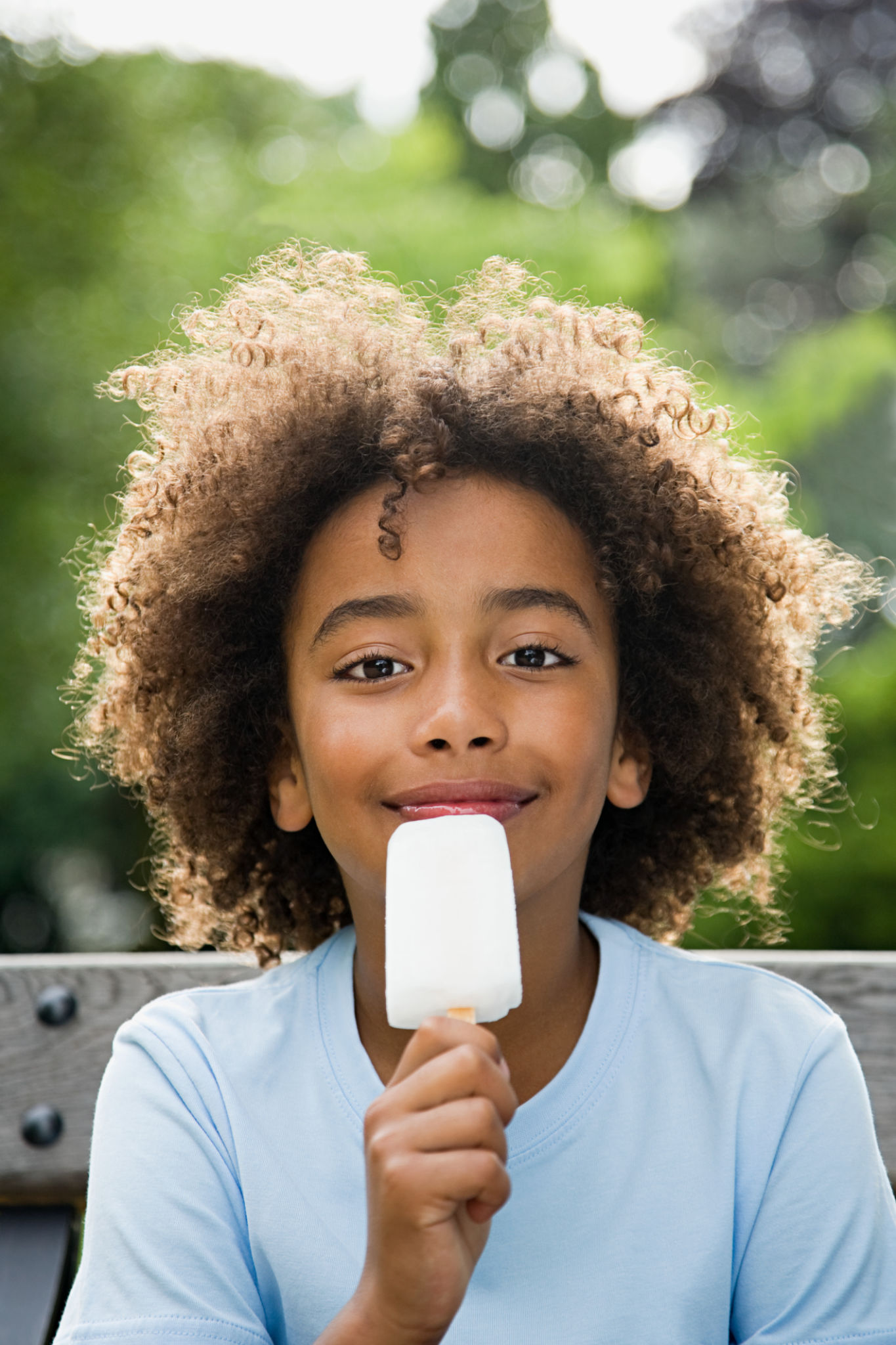
Adapting Your Hair Care Routine
One of the most effective ways to care for your hair during seasonal changes is to adapt your routine. Here are some tips to consider:
- Hydration: Use moisturizing shampoos and conditioners to combat dryness.
- Scalp Care: Incorporate scalp treatments to prevent flakiness and itching.
- Heat Protection: Minimize the use of heat styling tools to prevent damage.
By incorporating these adjustments, you can protect your hair from the stress of weather changes and keep it looking its best.

Choosing the Right Products
Selecting the right products is crucial for adapting to seasonal changes. Look for products enriched with natural oils and ingredients that provide nourishment and protection. Ingredients like argan oil, jojoba oil, and shea butter are excellent for maintaining moisture and shine.
Additionally, consider switching to a gentler shampoo during the fall and winter months to avoid stripping your hair of its natural oils. Opt for products that are sulfate-free to minimize irritation and dryness.
Additional Hair Care Tips
Beyond products and routine adjustments, there are other steps you can take to ensure your hair stays healthy:
- Regular Trims: Trim your hair every 6-8 weeks to prevent split ends.
- Protective Styles: Use protective hairstyles to minimize exposure to harsh weather conditions.
- Deep Conditioning: Treat your hair to a deep conditioning mask at least once a week.

Listening to Your Hair and Scalp
Your hair and scalp will often give you signals on what they need. Pay attention to signs of dryness, itchiness, or excessive oiliness, and adjust your routine accordingly. Sometimes, a simple change in diet or water intake can also significantly impact your hair's health.
Remember, your hair is unique, and what works for someone else might not work for you. Stay mindful of how your hair responds to different treatments and products, and don't hesitate to consult a professional if needed.